









Stop the
Corrosion.
Protect to Last.
Supply-grade concrete repair mortars, epoxy repair systems, anti-corrosion rebar protection, and primer & bonding agents for UAE structural repair and maintenance. The UAE coastal environment degrades unprotected concrete faster than anywhere on earth - and delays multiply cost.
What You See on the Structure -
and What to Buy
Every visible sign of concrete deterioration maps to a specific repair product class. Don't guess - each card identifies the failure symptom and the exact EN 1504-compliant product system that addresses it.
Buy Structural Repair Mortar UAE - EN 1504-3 R3/R4 Column, Beam & Slab Repair
Spalled and cracked concrete in UAE parking structures, bridges, and coastal buildings requires EN 1504-3 classified repair mortars - not general-purpose cementitious fillers. The repair mortar must match or exceed the parent concrete's elastic modulus and have an electrochemical compatibility profile that does not accelerate corrosion at the repair boundary.
→ Shop Repair MortarsBuy Anti-Corrosion Rebar Primer UAE - Passivation & Rebar Protection Supply
Rust staining visible on the concrete surface indicates that rebar corrosion is already underway at the chloride front. Applying repair mortar directly over corroded rebar - without removing corrosion products and applying a passivation primer - allows corrosion to continue under the new repair, causing failure at the repair boundary within 3–5 years.
→ Shop Anti-Corrosion ProtectionBuy Epoxy Repair System UAE - Crack Sealing & Surface Reinforcement for UAE Structures
Fine map-cracking across concrete surfaces - common in UAE facade panels, bridge soffits, and parking deck soffits - indicates carbonation-driven shrinkage cracking. Left unsealed, these cracks are direct chloride ingress pathways that will accelerate the transition from Stage 1 to Stage 3 deterioration within 2–3 UAE coastal years.
→ Shop Epoxy Repair SystemsBuy Bonding Agent for Concrete Repair UAE - SBR & Epoxy Bonding Primer Supply
Repair mortars delaminate at their perimeter edges when applied to existing concrete without a bonding agent - the new mortar shrinks away from the existing substrate as it cures. This is the most common cause of repair patch failure in UAE renovation projects and is entirely preventable with a correctly applied bonding coat.
→ Shop Primers & Bonding AgentsBuy EN 1504 Classified Repair Systems UAE - Structural Compliance & Documentation Supply
Structural repair works on UAE infrastructure, public buildings, and engineered structures require EN 1504 compliance documentation - classifying repair systems to Parts 2, 3, 5, 6, and 9 of the standard. Products that are not EN 1504-classified cannot be submitted in structural repair schedules and will be rejected by supervising engineers and resident engineers.
→ Shop EN 1504 Classified SystemsBuy Protective Surface Coating UAE - Anti-Carbonation & Chloride Barrier for Concrete
Unprotected concrete facades and parking structure soffits in UAE coastal environments carbonate at rates of 0.5–2mm per year - approximately 3x European rates. Without a protective coating, carbonation reaches the rebar cover zone in 10–15 years in coastal areas, triggering Stage 2 deterioration. A correctly specified protective coating on sound concrete prevents carbonation initiation for 20–30 years.
→ Shop Anti-Corrosion ProtectionAll 4 Categories In Stock -
48hr UAE Delivery
Every repair and protection product category ships from UAE warehouses. EN 1504 compliance documentation available for all structural products. Contact our team for project pricing and method statement preparation.
Anti-Corrosion Protection - Rebar Passivation, Zinc Primer & Surface Coating
Zinc-rich epoxy rebar passivation primers, cement-based corrosion inhibitor coatings, anti-carbonation surface coatings, and chloride barrier systems for exposed and repaired concrete. Applied directly to cleaned rebar and treated concrete surfaces to arrest active corrosion and prevent re-initiation. EN 1504-7 (rebar) and EN 1504-2 (surface) classified.
Brands: Sika Ferrogard 903+, Mapei Mapefer 1K, BASF MasterEmaco P 5000, Fosroc Nitowrap.
Epoxy Repair Systems - High-Strength Structural Repair & Crack Sealing Supply
Two-component solvent-free epoxy repair mortars and crack injection resins for structural concrete repair where high early strength and chemical resistance are required. Compressive strengths up to 100 MPa at 28 days. Low-viscosity injection grades for structural crack restitution per EN 1504-5. Used in critical infrastructure, bridges, and marine structures.
Brands: Sika Sikadur-30/31, Mapei Epojet / Planipatch Plus, BASF MasterBrace SAT 4500, Fosroc Nitobond EP.
Primers & Bonding Agents - Structural Adhesion & Interface Treatment Supply
SBR polymer bonding agents, epoxy bonding primers, and cementitious bonding slurries for adhesion between existing concrete and repair mortars. Wet-on-wet application is mandatory - bonding agents must not be allowed to dry before repair mortar application. EN 1504-4 classified for structural bonding applications. Also includes dustproofing and consolidation primers for weak concrete surfaces.
Brands: Sika Monotop-610, Mapei Planitop Binder, BASF MasterEmaco P 5000, Fosroc Nitobond SBR.
Repair Mortars - EN 1504-3 R2, R3 & R4 Class Structural & Cosmetic Repair Supply
Polymer-modified cementitious repair mortars in EN 1504-3 Classes R2, R3, and R4 for cosmetic, structural, and critical structural concrete repair. Shrinkage-compensated grades for UAE thermal cycling. Low-rebound formulations for overhead application. Rapid-set grades for fast programme. Fibre-reinforced grades for high-impact areas.
Brands: Sika MonoTop-612 N / 623, Mapei Mapegrout SRA / Thixotropic, BASF MasterEmaco S 488 / N 400.
Buy Sika, Mapei & BASF Repair Systems
Direct - UAE Stocked
Highway BMT is an authorised distributor for the world's leading concrete repair and protection brands. All products are EN 1504-classified, locally stocked, and supplied with full compliance documentation for UAE project submittals.
The Brands That
Engineers Specify.
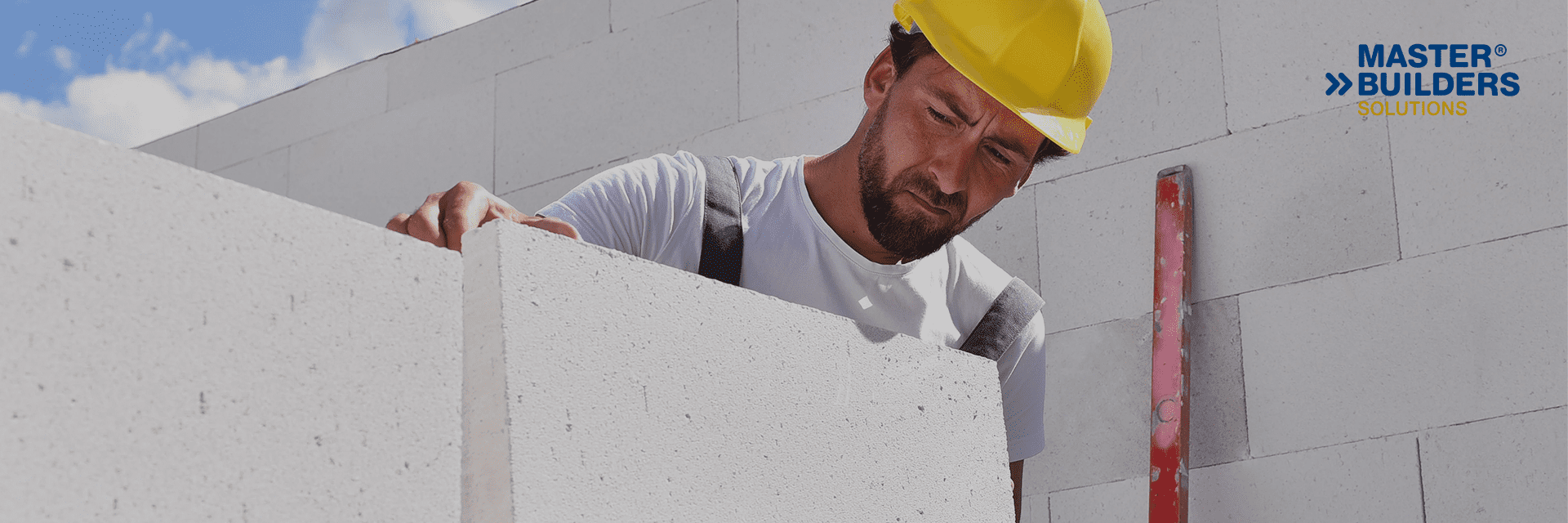
Sika, Mapei, BASF Master Builders Solutions, and Fosroc have developed concrete repair and protection systems with decades of UAE field performance data. These brands provide EN 1504 compliance certificates, specialist technical representatives for repair schedule preparation, and full method statement documentation for structural engineer sign-off - requirements that generic or unclassified repair products simply cannot meet.
All brands available for project quotation, EN 1504 compliance documentation, and method statement preparation. Contact our team for Dubai, Abu Dhabi, Sharjah and all UAE locations.
Top Products - In Stock Now
- Sika MonoTop-612 N R4 Repair Mortar
- Sika Ferrogard 903+ Rebar Passivation
- Sika Monotop-610 Bonding Agent
- Sika Sikadur-31 Epoxy Repair Mortar
- Mapei Mapegrout SRA R3 Repair Mortar
- Mapei Mapefer 1K Rebar Primer
- BASF MasterEmaco S 488 R4 Mortar
- BASF MasterEmaco P 5000 Rebar Protection
Which EN 1504 Part Applies
to Your Repair Scope?
EN 1504 is the governing standard for concrete structure repair products in the UAE and GCC. Each part classifies a different product type - understanding this prevents wrong specification and rejected submittals.
Repair Mortar vs Epoxy vs Anti-Corrosion
vs Bonding Agent - Which to Order?
Compare concrete repair and protection product categories across key performance and compliance criteria before specifying or ordering.
| Criteria | Repair Mortar ★ | Epoxy Repair | Anti-Corrosion | Bonding Agent |
|---|---|---|---|---|
| Structural Repair (Load-Bearing) | ✓✓ R3/R4 | ✓✓ | ✗ | ✗ |
| Rebar Corrosion Treatment | ✗ | ✗ | ✓✓ | ✗ |
| Bonding to Existing Concrete | With bonder | ✓✓ | ✗ | ✓✓ |
| Crack Sealing / Injection | Surface cracks | ✓✓ | ✗ | ✗ |
| Surface Protection / Anti-Carb | ✗ | ✗ | ✓✓ | ✗ |
| Overhead / Soffit Application | ✓ (thixotropic) | ✓ | ✓ | ✓ |
| EN 1504-3 R4 Classification | ✓✓ | ✓ | ✗ | ✗ |
| Rapid Early Strength | Selected grades | ✓✓ | ✗ | ✗ |
| UAE Coastal Chloride Resistance | Polymer-modified | ✓✓ | ✓✓ | As part of system |
| Relative Cost | High | Med–High | Low |
★ Most widely specified product category for UAE concrete repair. Always confirm EN 1504-3 class (R2/R3/R4) matches the specification before ordering - classes are not interchangeable.
Why Concrete Repairs Fail on UAE Sites -
Root Causes & Exact Fixes
Most concrete repair failures are avoidable. They happen because of wrong product class, skipped preparation steps, or incorrect application sequence. Here are the six most common on UAE structural repair projects.
Corrosion Recurring Under New Repair Mortar - Rebar Passivation Was Skipped
The single most common cause of premature concrete repair failure in the UAE is applying repair mortar directly over cleaned-but-unpassivated rebar. Even after mechanical cleaning to Sa 2.5, microscopic pits in the rebar surface remain electrochemically active. Once the repair mortar is in place, the corrosion cell resumes in the residual pit contamination - with the new repair providing a moisture reservoir that accelerates the process. Visible rust staining at repair edges typically appears within 18–24 months, and the entire repair must be removed and the sequence repeated correctly. On a 5,000m² parking structure repair, this adds AED 800,000–1,500,000 to remediation costs.
R2 Mortar Used on Structural Column - Engineer Rejected & Required Full Removal
EN 1504-3 repair mortar classes are not interchangeable. Class R2 is specified for cosmetic repair on non-load-bearing elements. Using R2 in a structural column or beam repair scope produces a repair with insufficient compressive strength (minimum 25 MPa vs 45 MPa for R4), inadequate bond tensile strength, and incorrect elastic modulus - causing load-path deviation at the repair boundary.
Repair Mortar Delaminating at All Patch Edges After 6 Months
Patch delamination at all edges is the signature failure of bonding agents that were allowed to dry before the repair mortar was applied. In UAE summer, SBR bonding slurries on hot concrete surfaces can go from fresh to over-dry in 10–15 minutes. Once the bonding agent is dry, it becomes a release layer rather than a bonding layer - the repair mortar peels cleanly from the substrate at its boundary.
Epoxy Repair Mortar Not Bonding - Substrate Damp at Time of Application
Standard two-component epoxy repair mortars have very poor tolerance for substrate moisture. Even a visually dry surface on a ground-bearing UAE element may have moisture content above the threshold for epoxy adhesion - resulting in bond failure at the interface with cohesive failure in the epoxy within weeks of application under summer thermal cycling.
Repair Mortar Surface Dusting & Cracking - Rapid Moisture Loss in UAE Summer
Repair mortars applied to sun-facing UAE concrete surfaces in summer lose surface moisture faster than cement hydration can proceed, causing rapid surface drying, map-cracking, and dusting. A repair mortar surface that has been allowed to rapid-dry loses 30–50% of its specified compressive and bond tensile strength - and cannot be recovered by later wet curing.
Repair Failing at Original Spall Boundary - Insufficient Concrete Break-Out
Repair mortars applied to shallow saw-cut or percussion-broken cavities with less than 10mm depth will fail under UAE thermal cycling as the thin repair cannot accommodate the differential movement between itself and the parent concrete. "Ring and break" inspection using a geological hammer before repair acceptance is essential - hollow sounds indicate delaminated parent concrete that was not removed and will cause the repair to fail at the boundary.
Order Repair Systems from Highway BMT
Before You Buy - Concrete Repair Questions Answered
EN 1504-3 defines four classes: R1 (cosmetic, non-structural - minimum 10 MPa); R2 (general purpose - minimum 25 MPa); R3 (structural - minimum 25 MPa with higher bond and elasticity requirements); R4 (structural high-strength - minimum 45 MPa). For any load-bearing structural repair - columns, beams, slabs, and cores - R3 is the minimum and R4 is typically required. The specification on a structural engineer's drawing will state the required class. Never substitute a lower class without written confirmation from the structural engineer, as this creates liability for the contractor.
Rebar passivation primer is non-negotiable in any repair scope where rebar is exposed. Even after mechanical cleaning to Sa 2.5 standard, microscopic pitting in the rebar surface remains electrochemically active. Without passivation, the chloride-driven corrosion cell resumes under the new repair mortar - typically visible as rust-staining at repair edges within 12–24 months in UAE coastal conditions. The passivation primer (Sika Ferrogard 903+, Mapei Mapefer 1K) creates an electrochemical barrier around the rebar surface that permanently arrests the corrosion cycle. The cost of the primer is typically 3–5% of the total repair cost; the cost of failing to apply it is full re-repair at 100% of the original contract value within 3 years.
EN 1504-5 classifies injection resins into two types based on their post-cure behaviour. Type R (Rigid) - low-viscosity epoxy resins that cure to a rigid, high-strength material. Used for inactive structural cracks where restoring structural continuity is required. The injected epoxy achieves higher tensile strength than the parent concrete. Type F (Flexible) - polyurethane expanding foam resins. Used for active water-bearing cracks where the crack may still be moving and where the primary goal is water stopping rather than structural restitution. PU foam reacts with moisture to expand and seal. Never use Type R (rigid epoxy) for an active or moving crack - it will crack again at the injection point.
Standard polymer-modified repair mortars achieve approximately 70% of their 28-day strength within 7 days at 20°C. In UAE summer conditions (35–45°C), initial strength development is faster due to elevated temperature, but final 28-day strength can be 10–15% lower than the datasheet value if the repair is not properly cured. Always apply a curing compound or wet hessian immediately after finishing. Rapid-hardening grades (Sika MonoTop-623, BASF MasterEmaco N 400 series) achieve structural strength in 24–48 hours - preferred for critical infrastructure repairs where early loading cannot be avoided.
Yes. Highway BMT supplies concrete repair systems as sequenced packs containing all required components - rebar passivation primer, bonding agent, repair mortar, and curing compound - to ensure correct specification compliance and prevent the common error of applying mismatched products from different manufacturers. We also provide EN 1504 compliance documentation packs for structural engineer submittal approval, and can prepare method statements for contractor use. Contact our team with your repair schedule area and damage classification for a complete system quotation.
Concrete repair mortars, crack fillers and structural repair products in UAE. Solutions for civil, industrial and infrastructure projects.